Get the most of you Dog Tracking Device
A reliable dog tracker is one of the most important tools for any hunter. But strong performance isn’t only about technical specifications – it’s about how the device is used in real hunting conditions.
Signal strength is influenced by several factors, including how the device is placed on the dog, the surrounding environment, and the technology behind it. In this guide, we’ll help you understand how to get the most out of your Tracker and Ultracom equipment.
Understanding Signal Strength in the Field
Placement Matters
Built for Different Conditions – Device-Specific Insights
Each device is designed with specific strengths, and understanding these helps you get the most out of your equipment.
Tracker Artemis : The most versatile device on the market (4G IoT, GSM, NB-IoT). Artemis features an intelligent search function: if the connection is lost for more than 2 minutes, the device begins a thorough network search process. This can take 4–15 minutes. Give the device time—it is working in the background to restore the connection even in the most challenging conditions.
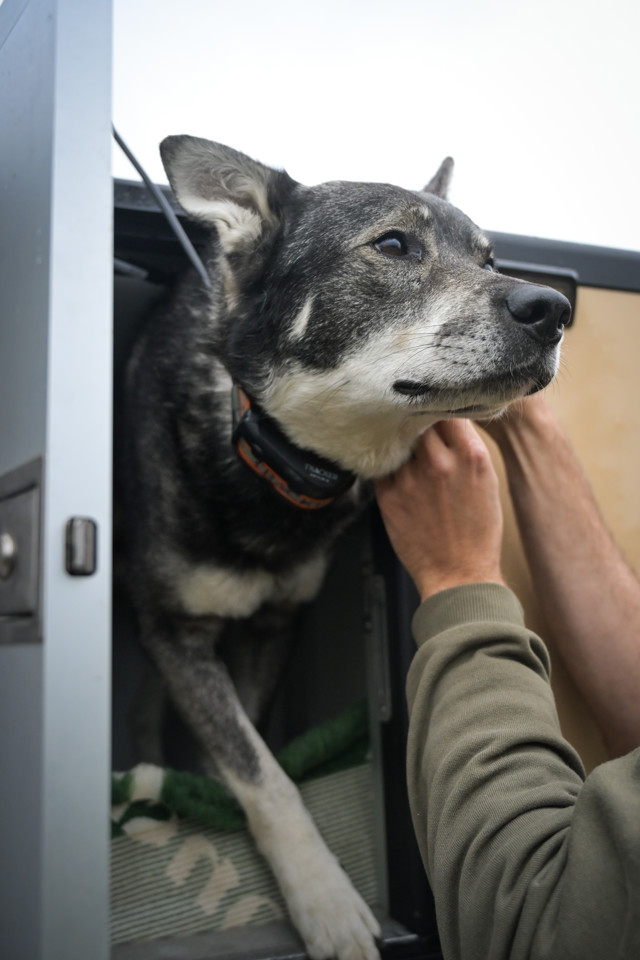
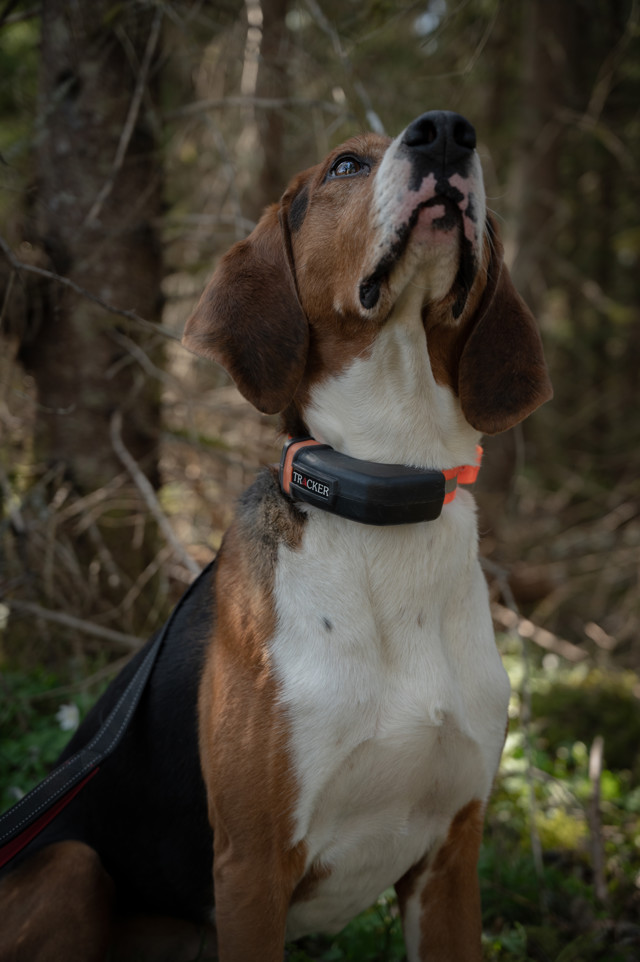
Tracker Luna : Modern and power-efficient. When using a harness or vest, ensure the Luna is installed with the arch facing upwards. This prevents the device from lying flat against the dog’s back, which would hinder performance.
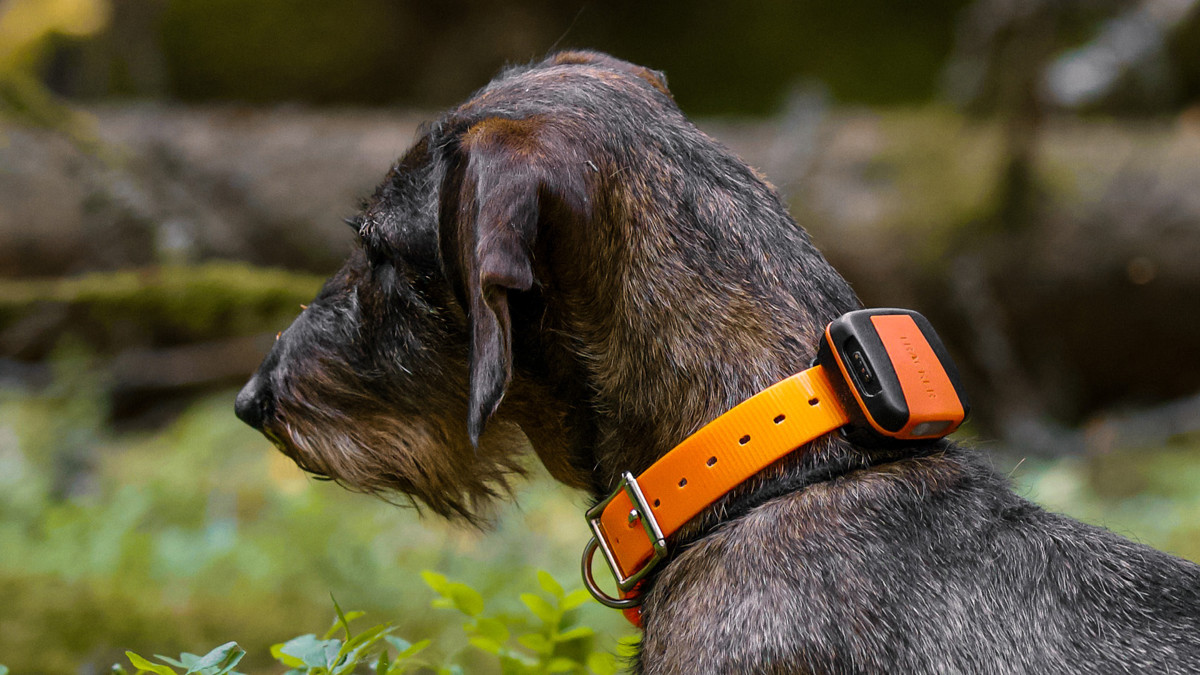
Tracker Bark : Extremely lightweight but sensitive to placement. Avoid placing the Bark on the underside of the neck. The signal is strongest to the sides (towards the orange seal). The best position is horizontal on the top of the collar or on the back piece of a harness.
Ultracom R10i : Series Designed to sit naturally on the neck but works efficiently in a vest or harness at the highest point of the back, ensuring a steady signal in thick cover.
Avoiding Common Interference - Small details can have a noticeable impact on performance.
- Metal near the device: Do not attach metal stickers or nameplates to the device or collar. Metal in close proximity to the antenna disrupts its function and can significantly weaken the signal.
- Multiple devices: If the dog wears two trackers simultaneously, place them as far apart as possible (e.g., one on the collar and one in a vest pocket) to prevent them from interfering with each other's signals.
Hunting Day Checklist